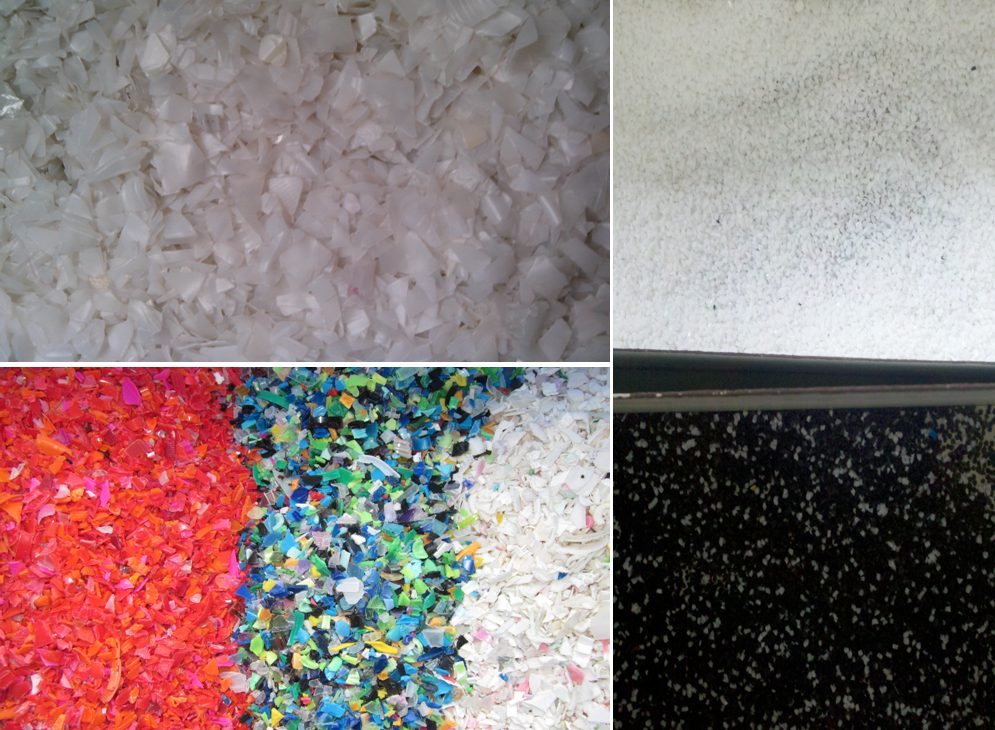
ABM optical sorters extract higher-purity fractions from milk-bottle flakes, cap flakes, PET flakes and granules with 99% sorting accuracy.
Plastic on ABM optical sorting equipment
Application detail
Combining application knowledge, in-house manufacturing and expert support, ABM equipment lets recyclers extract higher-purity fractions from recycling and waste streams to maximise yield and profit. Applications include milk bottle flakes, cap flakes, PET, granules and more. Our plastic sorting application notes describe a 99% removal rate for discoloured plastic flakes and other contamination; in the current four-model line, plastic applications are covered by the ABM Double Layer and the mineral single-layer platform.
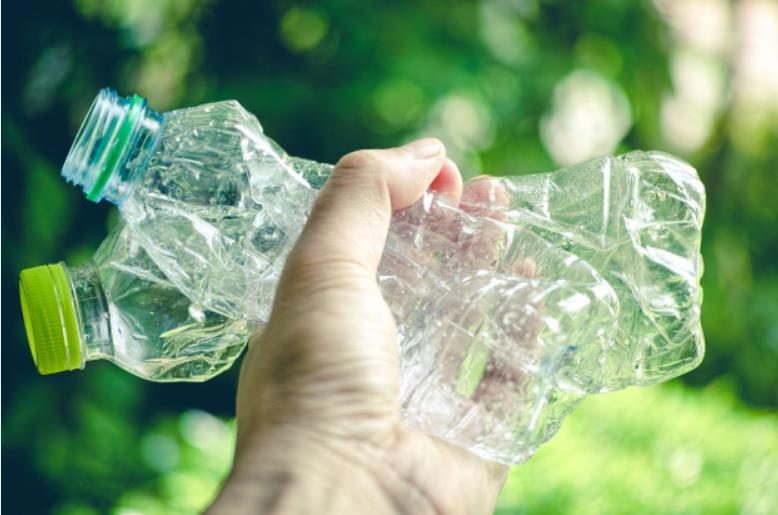
Different plastics — PET, HDPE, PVC and PP — are separated to produce higher-quality recycled material.
Plastic — additional view from the ABM image archive
What we need from you
Tell us the material, particle size and the defects to remove. Hourly output depends on the feed, so we do not publish a generic t/h number; a factory trial with your sample is required before purchase.
采购方常问的问题
How does an ABM color sorter separate material?
ABM color sorters work on colour difference. Any material with a visible colour difference or a colour contrast between the good product and the impurity can be identified and separated — agricultural products, industrial waste plastics, minerals and other materials alike.
What particle size can the machine handle?
The machine accepts material from 1 mm to 5 cm. Around 1 cm gives the best overall cost-performance and sorting efficiency. Particles as small as 1 mm can be sorted, but the smaller the material, the lower the hourly output.
Can I test the machine before buying?
Yes — and a trial is required before purchase. Send your actual material to our factory; we run a live sorting test and only proceed once the separation result and output meet your expectations.